Sensory Adventures for Small Pets, Made from Everyday Things


Today we explore sensory enrichment for small pets using household supplies, turning ordinary objects into safe puzzles, textures, scents, and sounds. Expect playful, budget-friendly ideas for hamsters, gerbils, mice, rats, rabbits, and guinea pigs, plus safety checklists, gentle routines, and stories that help you build trust, curiosity, and calm every day.

How Little Explorers Sense the World

Understanding how small pets perceive touch, scent, sound, light, and space guides every playful experiment you create. Their whiskers read textures, noses map rooms, ears catch subtle vibrations, and prey instincts shape comfort zones. Start here to match activities to natural strengths while preventing overload and frustration.

Scent First, Vision Later

Most small mammals lean heavily on olfaction, navigating with scent trails and landmark smells more than sharp eyesight. Use clean paper, hay, and lightly aromatic herbs to create gentle gradients. Avoid essential oils and strong cleaners. Subtle, edible odors invite exploration without stress or respiratory irritation.

Whiskers and Paws as Precision Tools

Vibrissae and sensitive paw pads sample edges, textures, and air currents with astonishing detail. Offer safe contrasts—fleece, cork, straw, cardboard ridges—so animals choose their preferred surfaces. Keep transitions gradual and heights low. Comfort grows when paws discover choices, not obstacles demanding leaps or risky balancing acts.

Energy Windows and Prey Instincts

Many small pets show crepuscular peaks, preferring twilight activity when risks feel lower. Plan enrichment during these windows to reduce startle responses. Provide bolt-holes and line‑of‑sight escapes. Short, predictable sessions build confidence, while irregular, long sessions can fuel anxiety, hoarding behaviors, or frantic running without meaningful engagement.

Safe Treasures Hiding in Plain Sight

Common household items become engaging discovery tools when chosen thoughtfully and prepared carefully. Prioritize untreated cardboard, plain paper, fleece offcuts, clean rocks, cork trivets, and unglazed terracotta. Remove adhesives, staples, and loose threads. Skip plastic bags and scented products. A quick wipe, bake, or freeze can reduce contaminants and pests.

Tactile Trails and Obstacle Play

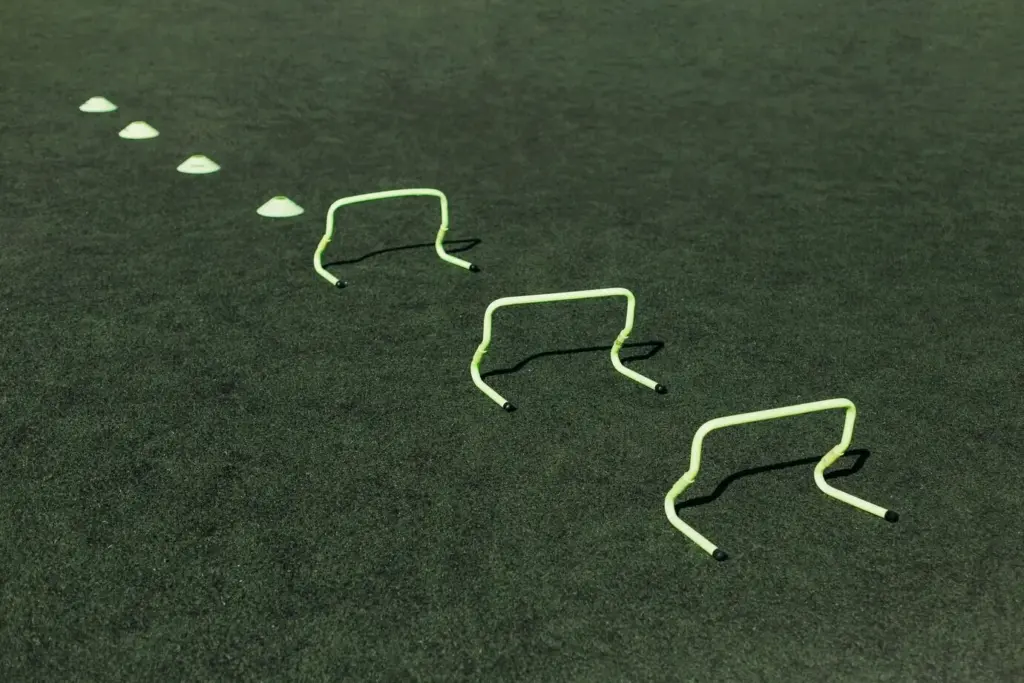
Design low, varied courses that reward curiosity through choice, not pressure. Arrange gradual ramps, contrasting surfaces, and shallow tunnels in a loop. Keep heights modest, add side guards, and place snack-sized wins along the way. End with a cozy hide so nervous explorers can retreat comfortably.

Soft-to-Crunchy Pathway

Lay fleece, then cork, then straw or shredded paper to create a gentle gradient pets can test with each step. Sprinkle micro-rewards only at transitions. Watch gait and whisker position for stress cues. Adjust spacing, not speed, letting confidence change the pace naturally over time.

Adjustable Ramps and Sidesteps

Use closed books, binders, and secured cutting boards as low ramps, adding side rails from taped cardboard on the outside edges. Keep angles shallow, surfaces non-slip, and landing zones clear. Replace tape frequently. Reward pauses and turnarounds so retreating feels safe, not like failing a challenge.

Layered Hide-and-Seek

Nesting boxes stuffed with crinkled paper create progressive difficulty without forcing effort. Place a single high-value treat only in the second layer; keep the first easy. Rotate scents weekly. End sessions with hands-off praise and a predictable hideaway, teaching that exploration reliably leads back to security.

Scent Journeys and Foraging Fun

Herb Twists and Gentle Aromas

Parsley, dill, basil, and dried apple leaves can be tucked into paper spirals or cardboard cups with wide, safe openings. Avoid strong or oily botanicals. Introduce one scent per session. Observe sniffing time, sneezes, paw wiping, and appetite to confirm curiosity without irritation or lingering aversion.

Scatter Feeding with Purpose

Replace one routine bowl feeding per week with a carefully scattered micro-meal across textures and heights. This slows intake, boosts movement, and builds confidence. Keep pieces small to prevent stash overload. Offer multiple piles to reduce conflict, and finish with water and a quiet, predictable rest zone.

Puzzle Plates and Egg Cartons

A muffin tin or sturdy egg carton becomes a simple puzzle when covered with paper balls, hay plugs, or clean stones. Hide only a few rewards to keep frustration low. Rotate patterns frequently. End by returning familiar bedding so territory scents re-anchor after adventure.

Sound, Motion, and Calm

Small pets read vibrations quickly, so gentle rhythms matter. Choose low, steady household sounds—soft fans, distant conversation, quiet music without sudden peaks—over clatter. Pair movement with control: slow toy drags, paper rustles, or rolling cardboard. Always offer an exit and pause frequently to reset comfort.

Light, Layout, and Lasting Variety

Visual novelty works best when blended with security. Use soft, indirect light, preserve familiar hideouts, and change only a few elements per session. Keep travel paths clear. Record which swaps spark curiosity. Over weeks, rotate textures, scents, and puzzles, building resilience without constant, exhausting reinvention.
Folekakekazepalu
Privacy Overview

This website uses cookies so that we can provide you with the best user experience possible. Cookie information is stored in your browser and performs functions such as recognising you when you return to our website and helping our team to understand which sections of the website you find most interesting and useful.