Sniff, Seek, and Celebrate: Homemade Nosework with Everyday Treasures


Today we’re exploring DIY scent games for dogs using everyday objects, turning ordinary spaces into extraordinary playgrounds for noses that love to work. With simple items like boxes, towels, cups, socks, and muffin tins, you’ll unlock focus, confidence, calm energy, and joyful teamwork. Expect step‑by‑step ideas, safety notes, playful twists, and encouragement for every age and breed. Share your pup’s victories, ask questions, and join our growing community of curious companions who discover adventure through scent, curiosity, and the most delightful sniffs imaginable.

Why Nosework Calms Busy Minds

Scent searching channels curiosity into a problem-solving rhythm, lowering arousal while keeping the brain happily engaged. As your dog hunts for a hidden reward, breathing slows, focus centers, and stress melts into purposeful activity. Unlike frantic fetch marathons, these games cultivate steadiness, encouraging thoughtful choices and gentle persistence. Over time, you’ll see smoother greetings, improved impulse control, and peaceful naps after satisfying work. Think of it as moving meditation for a nose, punctuated by small victories that feel big.

Safety First with Household Finds

Everyday objects are fantastic, but thoughtful setup matters. Inspect boxes for staples, tape residue, and sharp edges; remove rubber bands and loose strings; choose sturdy cups that won’t shatter. Avoid essential oils, strong cleaners, onions, garlic, chocolate, grapes, xylitol, and anything questionable. Keep treats modest in size to prevent gulping, supervise all sessions, and store props out of reach between games. If your dog is a shredder, prioritize thicker cardboard or fabric puzzles and end on a win before frustration appears. Comfort, clarity, and calm are the priorities.

Motivation: Food, Toys, and Praise that Truly Matter

Rewards shape enthusiasm, so select what reliably lights up your dog. For many, tiny soft treats are perfect; for others, a quick game with a favorite tug or exuberant verbal praise seals success beautifully. Use a range of values—every correct search earns something, while extra-brilliant finds earn jackpots. This creates momentum without overstimulation. Pair your marker word or click with the moment of discovery, then celebrate like a team. Keep portions small, plan training meals, and remember that your joyful presence is a powerful motivator all by itself.

Quick-Start Setups for Instant Joy

The Muffin Tin Treasure Hunt

Place treats in a few muffin tin wells and cover each well with a tennis ball or crumpled paper. At first, leave one uncovered so your dog understands the goal quickly. Gradually cover more wells and vary which ones hold rewards. Add a gentle cue like “Search,” then let the nose do the leading. Watch for delicate pawing, nudges, and investigative sniffs before the big reveal. Keep rounds brief, reset with fresh placements, and clap for creative problem solving that blossoms naturally.

Towel Burrito Roll for Gentle Foragers

Lay a towel flat, sprinkle a few tiny treats, and roll it into a loose burrito. Encourage your dog to unroll with nose pushes, gentle pawing, and careful nibbling at the fabric—not chewing. If needed, fold more loosely or leave an edge open. As skill grows, tuck cardboard shims or paper strips inside to create layers and pause points. Avoid tight knots. Praise the investigative sniffing, and reset frequently so curiosity remains high. This soft, quiet challenge suits apartments, senior dogs, and sensitive learners beautifully.

Cardboard Box Scatter with Multiple Possibilities

Collect several clean boxes of different sizes, remove tape and staples, and place them across a room. Hide rewards in only one or two. Invite your dog to check each container, building a rhythm of sniff, move, and re-check. Rotate which box is hot to discourage pattern guessing. As confidence grows, add lids propped ajar or cut small scent holes. Keep pathways clear to prevent zoomies, and reward careful searching. This setup teaches systematic investigation and builds endurance without overwhelming the senses or the living room.

Indoor Challenges that Grow with Curiosity

As your partner becomes fluent in simple searches, you can gently layer complexity inside your home. Change heights, create corridors, and hide rewards in puzzling but safe places. Keep distractions low and record how long it takes to find each cache. If you hit hesitation, drop difficulty and let a clear win restore momentum. Introduce mild time gaps between hides so anticipation strengthens recall of successful strategies. Each new configuration sharpens problem-solving, patience, and the calm joy of working together in familiar rooms.

01

Paper Cup Pathways and Confidence Trails

Set a trail of paper cups across the floor, with one or two holding treats beneath them. Start with spaced cups and obvious scent flow, then bring cups closer and add a few empty decoys. Mark the final discovery and jackpot generously. Later, elevate some cups on books to change scent movement and nose angles. Watch your dog map the path thoughtfully, pausing at uncertain points before committing. This develops methodical scanning without pressure, transforming simple materials into meaningful lessons about patience and pattern recognition.

02

Sock Nest Puzzle with Hidden Rewards

Gather a heap of clean socks and nestle a small treat in one, loosely folding the opening. Mix it with the pile and encourage slow, targeted sniffing rather than frantic flinging. If your dog tosses, reduce the pile size or fold less. For extra challenge, insert a vented plastic ball or tea infuser containing a treat to slow access while letting scent escape. Rotate fabrics and locations to refresh curiosity. Supervise, especially with chewers, and end each round before fatigue dulls that wonderful investigative spark.

03

Chair Maze Tracking Adventure

Arrange chairs to create winding corridors, drape a light blanket over a few to alter airflow, and hide a reward at the maze’s far end. Release your dog at the entrance with a calm cue, allowing sniffs to drive direction changes. Observe detours, backtracking, and moments of stillness where scent gathers. If frustration appears, shorten the route or lift a blanket edge. Over sessions, add corners, low tunnels, and visual barriers to challenge navigation. This indoor labyrinth gently teaches persistence while building delightful teamwork and trust.

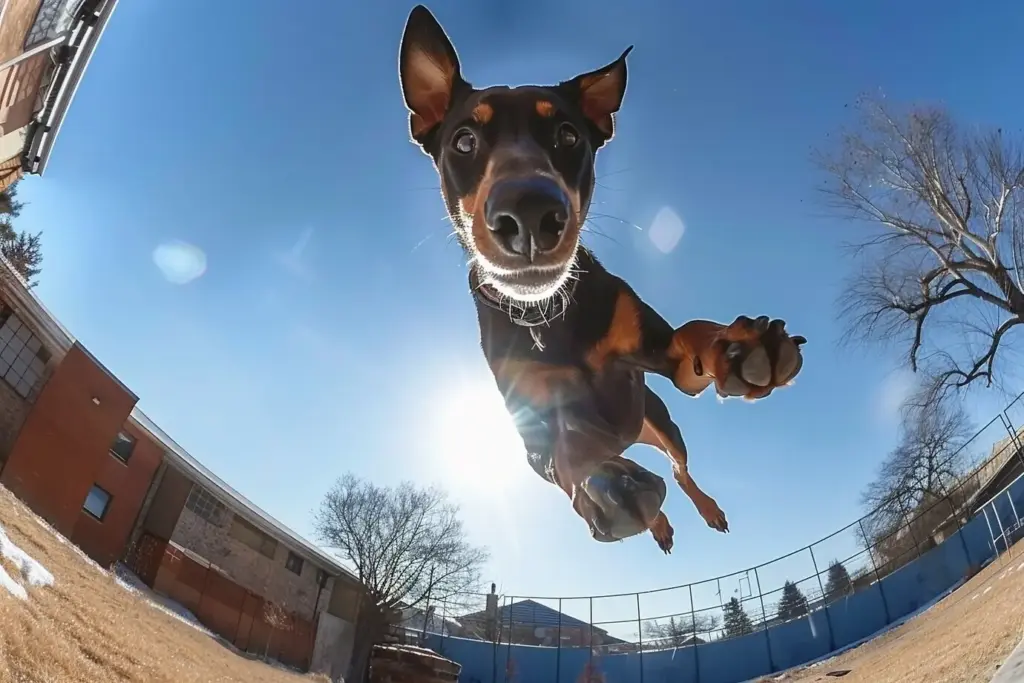
Outdoor Breezes, New Clues

Outside spaces introduce wind, temperature shifts, and textured surfaces that shape scent in surprising ways. Even a tiny patio provides rich variety when you adjust hide locations and heights. Start easier than indoors, because drifting air can confuse talented beginners. Note wind direction with a light toss of grass, then position hides accordingly. Keep sessions short, reward generously, and provide water breaks. Outdoor searches build resilience, strengthen recall under distraction, and make everyday walks feel like treasure maps unfolding under curious paws.

Coaching, Cues, and Confidence

Your guidance shapes how clearly your dog understands the search. Use a consistent start cue, a neutral body posture, and a reliable marker for success. Keep difficulty adjustable so progress feels like playful discovery rather than pressure. Log details about what helped or hindered performance, and change only one variable per session. Short, effective rounds beat long, confusing marathons. Over time, refine independence by stepping back, reducing hints, and letting the nose lead. Confidence grows fastest when curiosity is respected and every honest try is valued.

Rainy-Day Creativity Without Leaving Home

When weather says stay inside, invent fresh puzzles that keep curiosity soaring. Rotate objects, change rooms, alter heights, and introduce gentle time delays between hides. Keep rules consistent so exploration remains clear and rewarding. Consider tactile variety like rugs, tile, and cardboard ramps to influence airflow and scent pooling. Invite the family to guess likely hiding spots, then cheer the detective at work. Share photos, compare notes, and inspire others by describing what surprised you. Your home becomes a laboratory of joyful nose-led experiments.
Place a small treat inside a metal tea infuser or vented plastic ball, allowing aroma to escape while slowing direct access. Tuck it in a safe nook behind books, inside a sock nest, or under a propped cup. Mark the moment of source location and let your dog enjoy a jackpot from you, not from chewing the device. This setup builds persistence, refines indication at source, and protects surfaces. Supervise closely, check hardware regularly, and retire any prop that shows damage or tempting chew points.
Create a rotating library of gentle, dog-safe scents like dried chamomile, parsley, basil, or rosemary, placed in vented jars for sniffing only, not ingestion. Avoid nutmeg, onion, garlic, hot chilies, and strong essential oils. Present one scent at a time, letting your dog investigate without pressure, then hide the jar near a lightly open cabinet or behind a book stack. Mark source identification, reward generously, and alternate odors on different days. This mindful exploration broadens scent vocabulary safely and keeps rainy afternoons beautifully engaging and calm.
Folekakekazepalu
Privacy Overview

This website uses cookies so that we can provide you with the best user experience possible. Cookie information is stored in your browser and performs functions such as recognising you when you return to our website and helping our team to understand which sections of the website you find most interesting and useful.